
🎶 We’re back in action! 🎶 After a long hiatus, we’re finally back! Hosting issues and bot attacks slowed us down for a while, but we put that time to good use: new technology, a fresh design, a reliable new hosting provider, and plenty of new shellac records are waiting for you. Stop by, browse around, and spin some records! We look forward to seeing you. 💛

A steel needle plays exactly one record side – then it's done. Whether you choose soft, medium or loud depends above all on its thickness: the thicker the needle, the louder the gramophone.
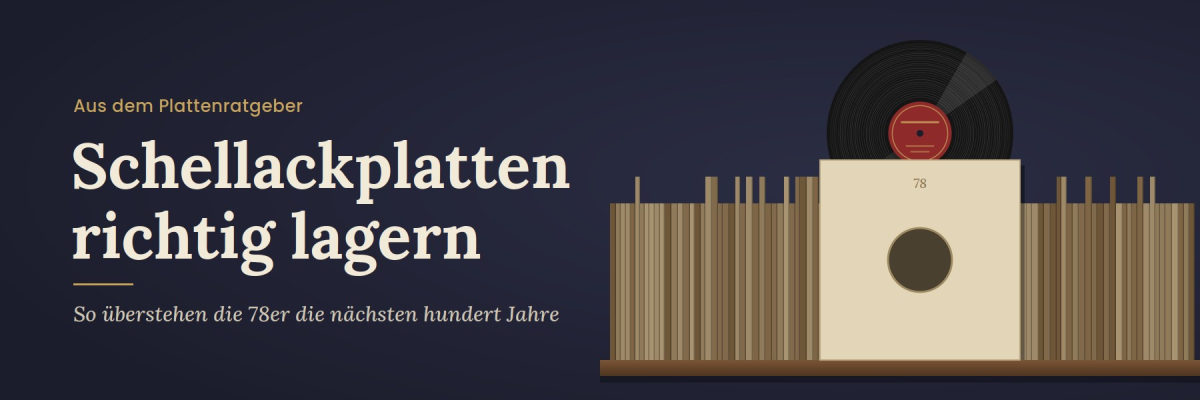
Shellac records belong upright on a shelf, in acid-free paper sleeves and in a cool, dry place. Follow these three rules and you protect your collection from breakage, warping and mould. Many shellac records have survived for decades – often not because of how they were stored, but in spite of it. They sat in boxes in damp basements, in tall stacks in the attic or in a cupboard right next to the radiator. If you inherit, buy or build a collection today, you can do better.
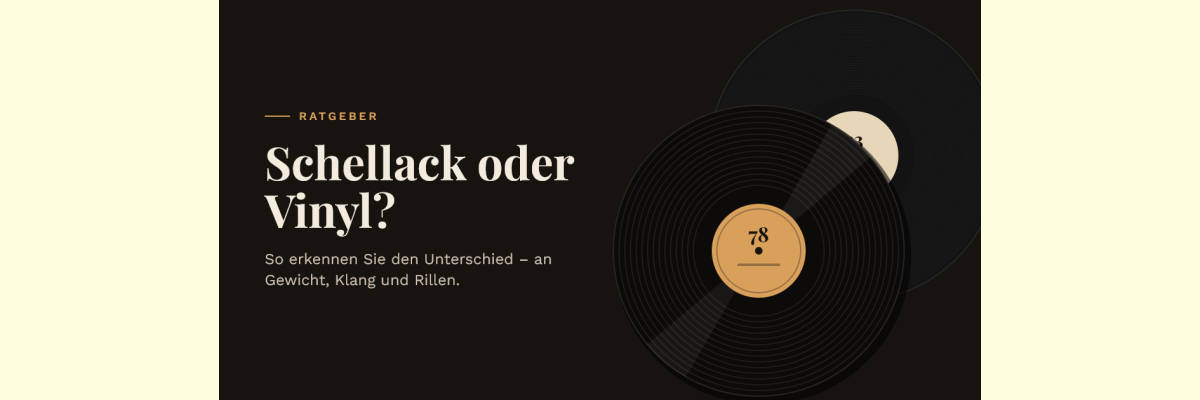
Shellac or Vinyl? How to Tell the Difference Not every old record is made of shellac. From the late 1940s onwards, some 78s were also made of vinyl. These features help you tell them apart:
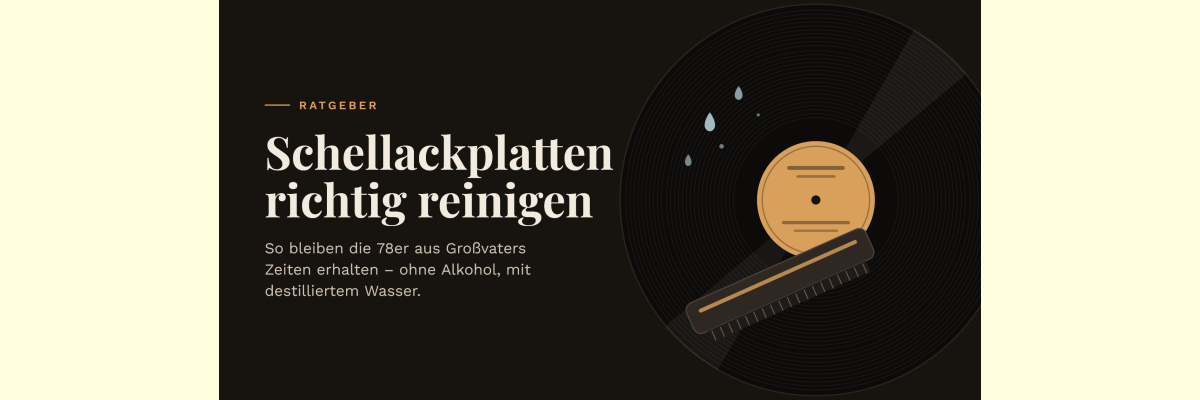
Shellac records cannot handle cleaning products that contain alcohol. If you keep that in mind and work gently with distilled water, you can safely remove dust and dirt from old 78s.